
Blog
Nota Simple in Spain: What It Is and How to Read It Before Buying Property
· 12 March 2026
What Is a Nota Simple?
Before signing any contract or paying any deposit on a property in Spain, there is one document you must request: the Nota Simple.
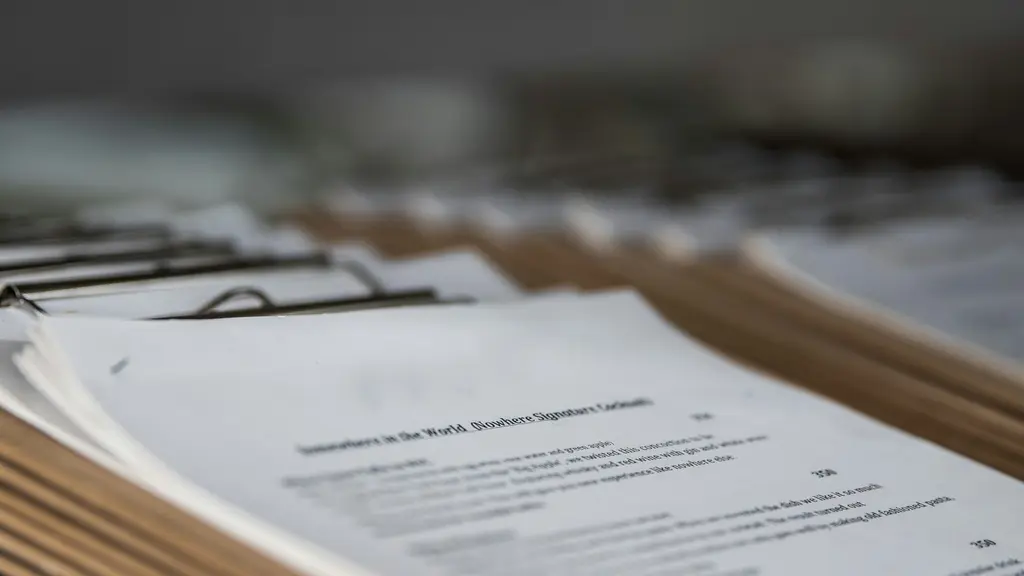
The Nota Simple - formally called Nota Simple Informativa - is an official extract from the Spanish Land Registry (Registro de la Propiedad). It summarises the legal status of a property: who owns it, how it is described, and whether there are any debts, mortgages, or legal restrictions attached to it.
It is not a property deed and it carries no legal validity in court. But for practical purposes, it is the most important document a buyer can review before committing to a purchase. Banks require it for mortgage approvals. Notaries refer to it. And a careful reading of it can save you from inheriting someone else’s debt - or buying a property that does not legally exist as described.
For a full overview of how the Nota Simple fits into the complete purchase process, read our guide on buying property in Costa Brava in 2026.
Update, November 2026: the nota simple is one of eight documents to see before you pay a deposit. The full list, with the Catalan rules on community debts and the cèdula, is in our guide to pitfalls of buying property in Spain: 11 checks for Catalonia.
Why It Matters: Debts Follow the Property, Not the Owner
One detail that surprises many foreign buyers in Spain: debts are sometimes tied to a property rather than to its owner. This means that when a property is sold, the buyer may inherit existing debts.
Some debts stay with the property when it is sold. Unpaid IBI property tax and, in a building or development with a community of owners, unpaid community fees can pass to the buyer. They are not recorded in the Land Registry, so the Nota Simple does not show them: you check them with a certificate from the town hall and one from the community's secretary. What the Nota Simple does show are mortgages, court attachments (embargos) and other charges registered against the property, which is why you should read it before signing the arras deposit contract.
Who Requests It - Buyer or Seller?
Either party can request a Nota Simple. In practice, buyers most commonly do so as part of their due diligence. However, it is increasingly common - and better practice - for the seller or the agent to provide an updated Nota Simple upfront. This speeds up negotiations and demonstrates transparency from the start.
If the seller or the agency hands you a Nota Simple, check the date on it. You can always order a fresh one yourself, usually within a couple of hours.
What the Nota Simple Contains
The document is divided into three main sections. Here is what each one tells you:
1. Descripción de la Finca - Property Description
This section describes the physical property: its address, total surface area in square metres (both built area and plot), number of floors, and how the land is classified - urbano (urban), rústico (rural), or urbanizable (developable).
What to check: Confirm that the description matches what you are being shown. If the seller says the property is 250m² but the Nota Simple shows 180m², there is a discrepancy that needs to be resolved before purchase. Renovations and extensions added without permits often do not appear in the registry.
Pay particular attention to the land classification. Building on land classified as rústico is heavily restricted, and in Catalonia the town hall can order illegal works on non-developable land to be undone with no time limit (Decret Legislatiu 1/2010, art. 207).
2. Titularidad - Ownership
This section lists the registered owner or owners: full names, identification numbers, the percentage of ownership each person holds, and how they acquired the property (purchase, inheritance, etc.).
What to check: The person selling you the property must match the registered owner exactly. If the names do not match - or if there are multiple owners listed and only one is signing - this requires legal clarification before you proceed. This is one of the most common sources of fraud in Spanish property transactions.
3. Cargas - Encumbrances and Debts
This is the most important section. It lists everything registered against the property that could affect your ownership or cost you money:
- Mortgages (hipotecas) - outstanding loans secured against the property, with the lending bank, amount, and terms
- Embargoes (embargos) - court-ordered seizures or liens, often from unpaid taxes or legal disputes
- Easements (servidumbres) - rights of way, utility access, or other third-party rights over the property
- Fiscal notes (afecciones fiscales) - notes that the property remains liable for transfer or inheritance tax on an earlier transaction if the tax office reassesses it. The note is removed from the registry after five years.
- Legal annotations - active disputes, bankruptcy proceedings, or claims against the property
What to look for: if this section lists no charges, the property is free of registered encumbrances. Anything else should be reviewed by your lawyer before you sign.
How to Get a Nota Simple
Anyone with a legitimate interest - such as a prospective buyer, lender, or real estate agent - can request a Nota Simple. You do not need to be the owner, and you do not need to be a resident of Spain. Foreigners can request it online from abroad.
To make the request yourself, you will need at least one of the following: the full address of the property, the finca registration number, the cadastral reference, or the owner’s full name and NIE.
There are three ways to obtain it:
Online - through the official portal of the Colegio de Registradores at registradores.org. Cost is approximately €9.02 + VAT, and delivery is usually within two hours.
In person - at the Registro de la Propiedad office where the property is registered. The registrars' official fee scale sets it at about €3 + VAT per property; processing times vary by office.
Through your lawyer or agent - they can request it for you. Check the date on the document.
Important: use the official registradores portal or the registry office. Some private websites sell the same document at a higher price.
Important: the Nota Simple is issued exclusively in Spanish. If you do not read Spanish, have it reviewed by your lawyer or agent before drawing any conclusions from it.
How Often Should You Request It?
The Nota Simple has no official expiry date, but it only reflects the registry on the day it is issued, and the legal status of a property can change at any point.
Request a fresh Nota Simple at two key moments:
- Before signing the arras contract - to confirm ownership and check for encumbrances before you pay a deposit
- Shortly before the final notarial signing - to confirm nothing has changed since your initial check
Red Flags to Watch For
Most Nota Simples are straightforward. But these are the situations that require immediate attention from a lawyer before you proceed:
The seller is not the registered owner. The name on the Nota Simple does not match the person or company selling the property. Do not sign anything until this is resolved.
Multiple owners are listed. All registered owners must consent to and sign the sale. If one is absent, deceased, or unreachable, the transaction cannot proceed without legal resolution.
An active mortgage is registered. This is common and not automatically a problem - the mortgage is typically cancelled at the notarial signing using funds from your purchase. But the process must be properly structured by a lawyer.
An embargo or court annotation is present. This means a third party has a legal claim on the property. The embargo must be resolved before the sale can legally complete.
The property description does not match reality. Significant differences in size, boundaries, or land classification between what you are shown and what the Nota Simple states need to be investigated and corrected before purchase.
The land is classified as rústico. Building on rural land in Spain is heavily restricted. Verify carefully what is legally permitted before buying.
Nota Simple vs. Land Registry Certificate
These two documents are sometimes confused. The difference matters:
The Nota Simple is informative only - it gives you a reliable overview of the property’s status but has no legal validity in court.
The Certificación Registral is a certified document that carries full legal weight and can be used in legal proceedings. It costs more and takes longer to obtain. For a standard property purchase, the Nota Simple is sufficient. For mortgage applications, inheritance proceedings, or legal disputes, the certified version may be required.
How VivendaNova Handles This for You
If you are currently viewing properties on the Costa Brava and want a professional review of a specific listing, contact our team directly. We are based in Lloret de Mar and work with international buyers from the US, UK, Germany, and across Europe.
Explore our current listings or learn more about why clients choose VivendaNova when buying property on the Costa Brava.
 Author: @katy.bon.estate, property consultant on the Costa Brava