
Best Areas to Buy Luxury Property in Costa Brava in 2026
Introduction: A Mature Coastal Market Defined by Scarcity
The Costa Brava luxury property market in 2026 is shaped less by speculation and more by structural scarcity, regulatory discipline and careful asset selection. Unlike high-density Mediterranean coastlines, this region operates within strict environmental and urban planning constraints. Coastal protection laws and Catalonian planning frameworks significantly limit new frontline development, particularly on steep or environmentally sensitive land.
As a result, the market has evolved. Buyers are no longer competing for “any property with a sea view.” They are selecting micro-locations where scarcity is permanent, legally protected and supported by long-term desirability.
In Costa Brava, micro-location now matters more than region.
Why Micro-Location Matters More Than Region in 2026
Costa Brava is not a homogeneous market. It is a collection of distinct coastal environments, each with its own density profile, ownership structure, architectural identity and liquidity dynamics.
Two properties separated by only a few kilometres may perform very differently over time. Orientation, wind exposure, road access, community profile, and legal clarity frequently influence long-term value more than general branding.
In a regulated coastal market, defensibility is determined at the micro level.
For a detailed overview of the legal and financial process of buying property in Costa Brava, read our full guide here.
Tamariu: Privacy, Architectural Integration and Long-Term Scarcity
Tamariu represents one of the most privacy-oriented enclaves on the Costa Brava. Development density is low, and properties are typically integrated into surrounding pine landscapes rather than concentrated in dense urban cores. Ownership is often long-term and generational, which naturally limits the number of high-quality properties entering the market.
This structural scarcity makes Tamariu particularly attractive to buyers who prioritise discretion, architectural coherence and a low-density environment.
In this context, compliant new developments are rare. Projects must navigate strict planning frameworks and environmental standards. One example of how modern luxury supply is evolving in Tamariu is our exclusive collection of contemporary villas currently under development in the area. The project reflects the direction of the premium market: limited number of residences, architectural integration into the landscape, and full regulatory compliance. Rather than increasing density, such developments reinforce the scarcity dynamic that defines Tamariu’s long-term appeal.
Tamariu primarily suits buyers seeking privacy over visibility, and long-term positioning over short-term rental optimisation.
Begur: Established Prestige and Renovation-Driven Prime Assets
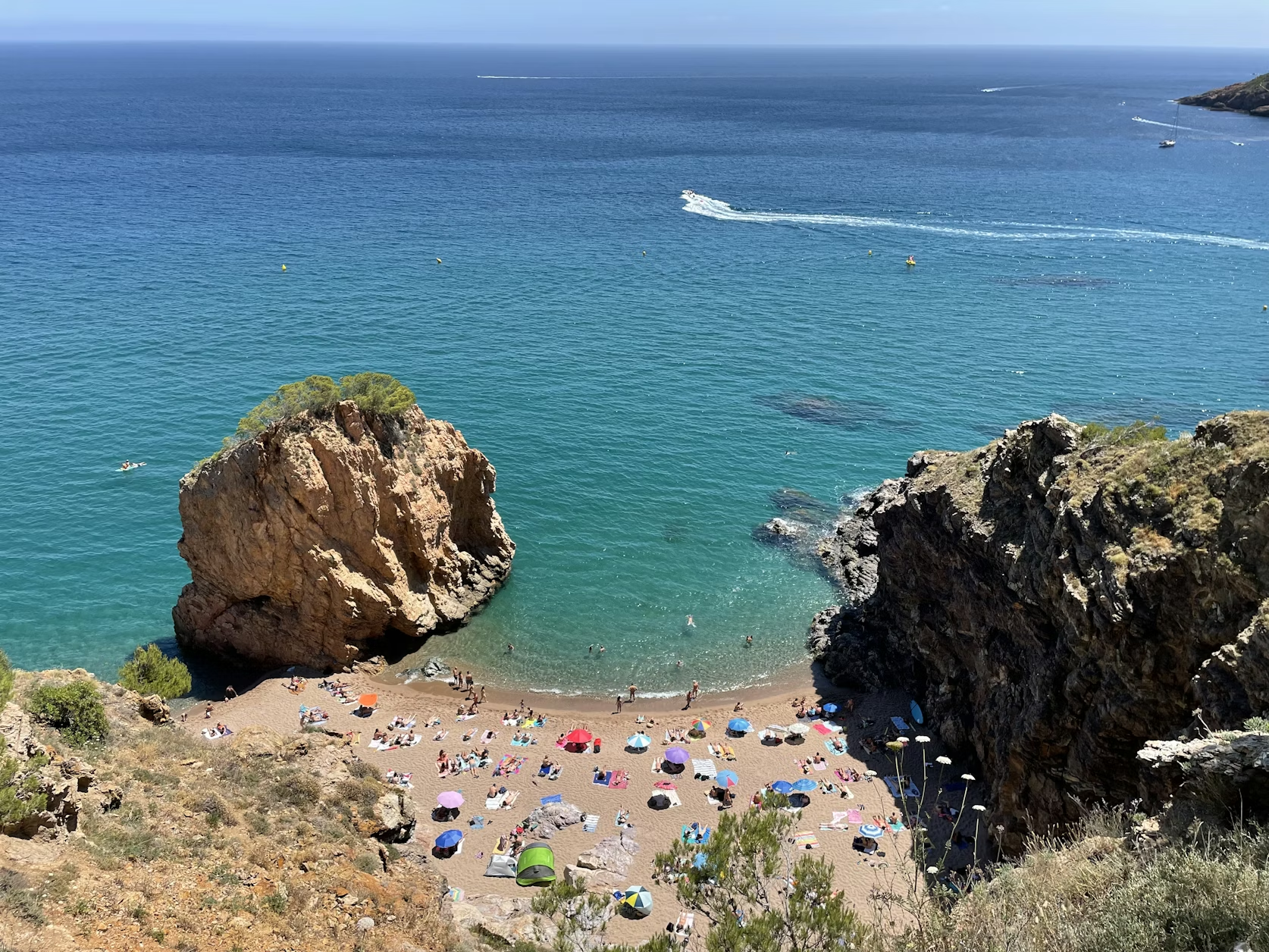
Begur remains one of the most established luxury municipalities on the Costa Brava. Its coastline includes internationally recognised coves, and demand is supported by both domestic and international buyers.
Due to historical construction patterns and more recent planning restrictions, Begur has developed a renovation-driven dynamic. Many transactions involve the acquisition of older Mediterranean villas followed by architectural upgrades to meet modern energy and design standards.
Asset defensibility in Begur depends heavily on specific micro-factors: orientation, protection from prevailing winds, accessibility, and verified legal status. Not all sea-view properties perform equally; selection discipline is essential.

Calella de Palafrugell & Llafranc: Walkability and Year-Round Usability
Calella de Palafrugell and neighbouring Llafranc offer a different value proposition. Their strength lies in walkability, preserved architectural character and integration into a village lifestyle.
These areas attract buyers who prioritise year-round usability and proximity to daily amenities without reliance on a vehicle. In such environments, location within the village fabric and direct access to the waterfront often matter more than plot size or hillside elevation.
For lifestyle relocators and semi-permanent residents, these villages offer a balanced combination of prestige and practicality.
S’Agaró (La Gavina): Structured Exclusivity and Controlled Access
S’Agaró, particularly within the La Gavina estate, represents the most structured form of exclusivity on the Costa Brava. Controlled access, established architectural coherence and long-standing reputation define this enclave.
Buyers in this segment typically prioritise security, privacy and legacy positioning. Market activity here is less influenced by short-term fluctuations and more by limited availability and generational ownership patterns.
Investment logic in this micro-location centres on capital preservation and rarity rather than transactional volume.
Premium Residential Zones of Lloret de Mar: Selective Positioning
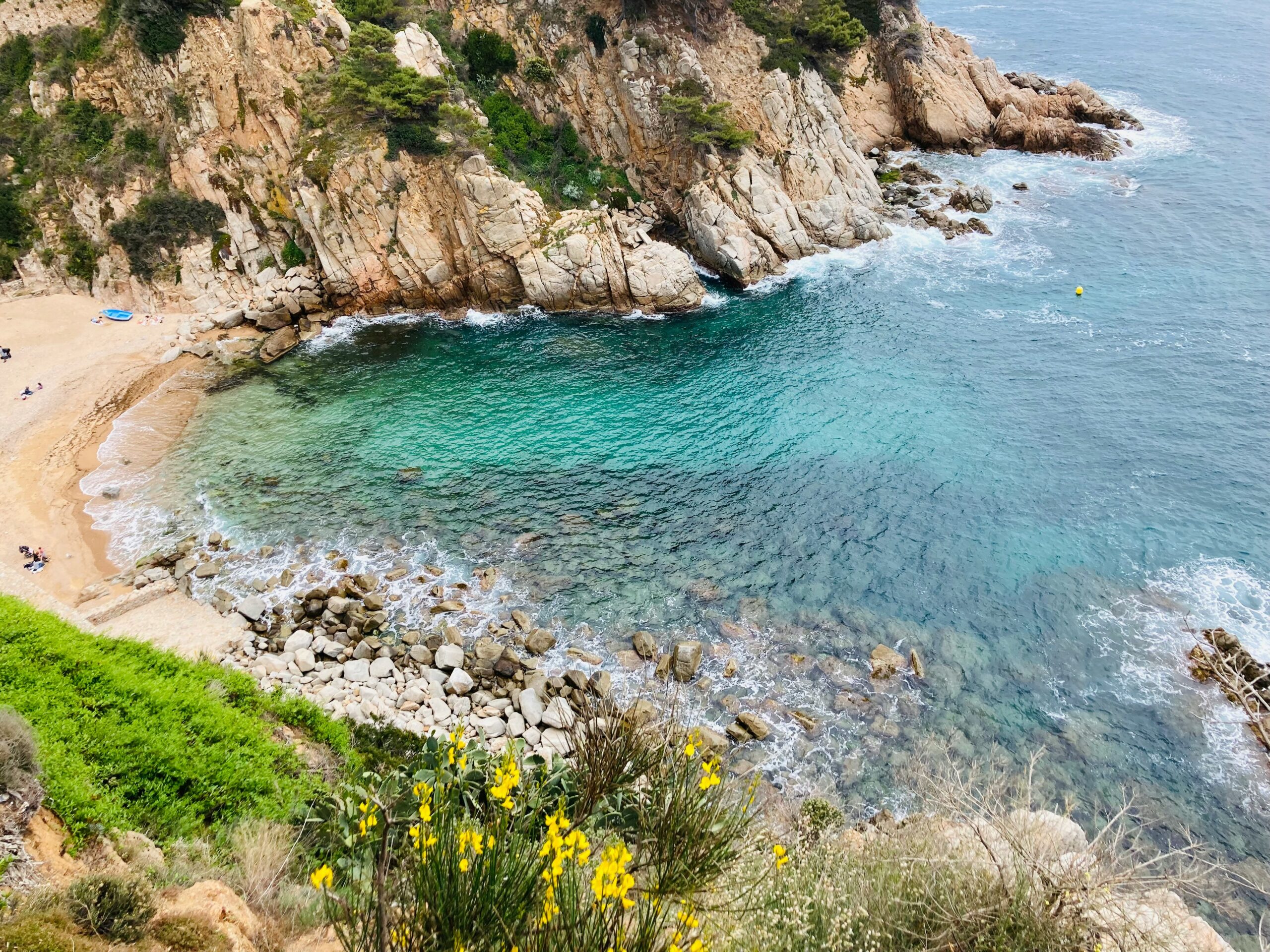
While Lloret de Mar’s central areas are tourism-oriented, certain northern residential urbanisations offer a different profile: lower density, panoramic sea views and contemporary architecture at comparatively accessible entry levels.
Selection in these zones requires careful due diligence. Factors such as build quality, slope stability, infrastructure access and long-term urban planning consistency are critical.
For buyers willing to differentiate between central tourism areas and peripheral residential zones, selective opportunities may exist.
Regulatory Landscape in Catalonia: Why Compliance Defines Value
Recent regulatory developments in Catalonia, particularly around short-term rental licensing and community approval processes, have introduced additional layers of complexity for investors.
As a result, rental-based return assumptions must be assessed carefully against evolving legal frameworks. Properties previously valued primarily for tourist licensing potential may require a revised investment strategy.
Increasingly, sophisticated buyers are favouring lower regulatory risk models focused on architectural quality, energy efficiency and long-term ownership stability.
What Makes a Luxury Asset Defensible in Costa Brava?
In 2026, defensibility defines value more than aesthetics alone. Buyers are evaluating:
Verified legal compliance with current planning regulations
Energy efficiency and adaptability to evolving environmental standards
Infrastructure access and year-round usability
Liquidity within the specific micro-market
Community composition and long-term neighbourhood stability
Not every sea-view villa qualifies as a resilient asset. Micro-location quality, regulatory clarity and structural scarcity determine long-term relevance.
Strategic Conclusion: Selecting Assets in a Constrained Coastal Market
Costa Brava in 2026 is not a speculative frontier. It is a mature coastal market defined by environmental protection, planning discipline and limited new supply.
Buyers who approach the region with strategic selectivity – focusing on legally compliant, well-positioned micro-locations – are better positioned to secure assets that remain relevant and defensible in the years ahead.
At VivendaNova, our advisory approach reflects this structural reality. We focus on micro-location analysis, regulatory clarity and long-term positioning rather than short-term narratives. In a constrained coastal market, disciplined selection is the primary driver of value protection.